

Introduction
Imagine yourself transported to a land steeped in ancient traditions, where lush green landscapes whisper tales of forgotten kingdoms. A place where the rhythmic crash of waves against the shore carries the echoes of bygone eras. This, my friends, is Kerala, the soul of Kerala enshrined not just in its breathtaking beauty, but also in the vibrant tapestry of its literature. Malayalam literature, with its rich history stretching back centuries, offers a treasure trove of novels that capture the essence of Kerala’s heart and soul. From the poignant struggles for social justice to the captivating sagas of legendary heroes, these novels promise an unforgettable journey for every reader. So, are you ready to embark on a literary adventure that will ignite your imagination and leave you yearning for more? Let’s delve into the world of the best Malayalam novels of all time!
II. Understanding the Classics: Renowned Authors and Their Masterpieces
The literary landscape of Malayalam boasts a rich tapestry woven by the threads of generations of talented authors. These literary giants, with their distinct styles and thematic preoccupations, have not only shaped Malayalam literature but also captured the essence of Kerala’s social, cultural, and political realities. Let’s delve deeper into the lives and works of some of the most celebrated figures in Malayalam literature.
A. Pioneering the Path: The Development of the Malayalam Literary Canon
The Malayalam literary canon, the collection of works considered to be the most significant and influential in the language, has evolved over centuries. Early Malayalam literature was heavily influenced by Sanskrit epics and religious texts. However, the 19th century witnessed a rise in original Malayalam literature, with authors like Kerala Varma Valiya Koil Thampuran and Bankim Chandra Chattopadhyay (whose Bengali works were translated into Malayalam) laying the foundation for modern Malayalam prose. The 20th century saw a flourishing of literary movements like Romanticism, Realism, and Modernism, giving rise to the authors we will explore in this section.
B. Literary Luminaries: A Closer Look at Renowned Authors
1. M.T. Vasudevan Nair: The Chronicler of Human Experience
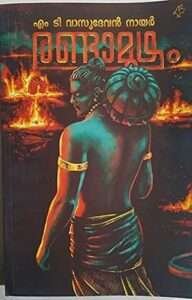
M.T. Vasudevan Nair, a towering figure in contemporary Malayalam literature, is renowned for his profound social realism and masterful storytelling. His novels are deeply rooted in the socio-political realities of Kerala, exploring themes of social injustice, class struggle, and the complexities of human relationships. “Randamoozham” (The Second Turn), his magnum opus, is a remarkable reimagining of the Mahabharata from the perspective of Bhima, the Pandava prince known for his strength and rage. Nair’s prose is characterized by its clarity, emotional depth, and keen observation of human nature, making his works relatable to readers across generations.

2. Vaikom Muhammad Basheer: The Voice of the Marginalized

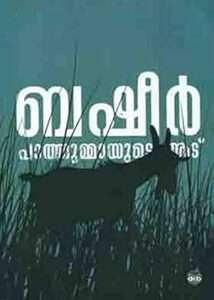
Vaikom Muhammad Basheer, a pioneer of modernist Malayalam literature, is known for his unconventional style, use of satire and humor, and his championing of the marginalized. Basheer’s works often employ a stream-of-consciousness narrative and unconventional structures, reflecting the inner lives and struggles of his characters. “Pathummayude Aadu” (Goat of Pathumma), a poignant tale of forbidden love and social ostracization, exemplifies Basheer’s ability to blend humor with social commentary. His narratives, infused with a sense of rebellion and a celebration of the human spirit, continue to resonate with readers today.
3. O.V. Vijayan: The Magician of Words
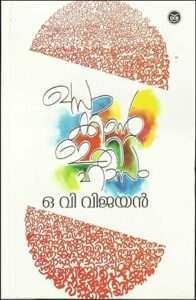
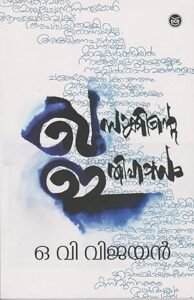
O.V. Vijayan, a literary maverick, stands out for his innovative narrative style, his blend of fantasy and realism, and his exploration of existential themes. Vijayan’s works are often infused with a sense of magical realism, blurring the lines between reality and imagination. “Khasakkinte Ithihasam” (The Legends of Khasak), his magnum opus, is a sprawling satire that chronicles the rise and fall of a fictional kingdom, employing elements of myth, folklore, and political allegory. Vijayan’s masterful use of language, his sharp wit, and his ability to delve into the human condition make his novels a captivating read for those seeking a unique literary experience.

4. S.K. Pottekkatt: Championing Social Justice

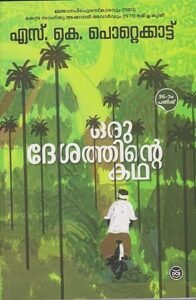
S.K. Pottekkatt, a revolutionary figure in Malayalam literature, is known for his unwavering commitment to social justice and his powerful indictment of caste oppression. His novels are unflinching portrayals of the plight of the downtrodden and marginalized communities in Kerala. “Oru Desathinte Katha” (The Story of a Nation), a landmark novel, chronicles the struggle for freedom in colonial India, highlighting the social inequalities and injustices faced by different communities. Pottekkatt’s passionate prose and his unwavering dedication to social reform continue to inspire readers and have cemented his place as a key figure in Malayalam literature.
5. Kamala Suraiyya: A Feminist Voice
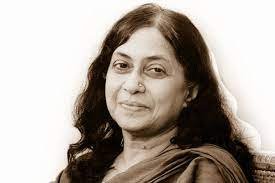
Kamala Suraiyya, also known as Madhavikutty, broke new ground with her bold and unapologetic exploration of female sexuality and desire in her autobiography “Ente Katha” (My Story). Her honest portrayal of a woman’s inner world challenged societal norms and ignited conversations about gender and identity. Suraiyya’s lyrical prose and her courage to challenge established conventions make her a vital voice in Malayalam literature and a feminist icon.
These are just a few of the many literary giants who have enriched the landscape of Malayalam literature. Each author, with their unique style and thematic focus, has contributed immensely to the richness and diversity of Malayalam novels. By exploring their works, readers gain a deeper understanding of Kerala’s social, cultural, and historical tapestry, and embark on a rewarding literary journey.
III. Venturing Beyond the Classics: Exploring Diverse Genres
Malayalam literature is not confined to the works of a single genre. It boasts a vibrant tapestry woven from a multitude of genres, each offering a unique lens through which to explore the complexities of human experience and Kerala’s rich heritage. Let’s delve into some of the most prominent genres found in Malayalam novels.
A. Unveiling History’s Grandeur: Historical Fiction
Historical fiction occupies a prominent space in Malayalam literature, transporting readers to bygone eras and allowing them to experience history through the eyes of fictional characters. These novels often draw inspiration from Kerala’s own rich past, as well as from broader historical events that have shaped the world.
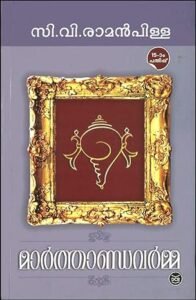
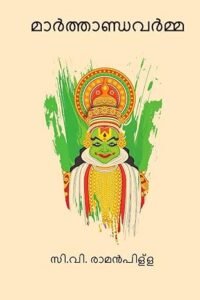
- Reimagining Legends: Many historical novels retell epic tales and folklore, breathing new life into them. M.T. Vasudevan Nair’s “Randamoozham” provides a fresh perspective on the Mahabharata from Bhima’s viewpoint, while C.V. Raman Pillai’s “Marthandavarma” chronicles the rise of the Travancore kingdom. These novels not only entertain but also offer valuable insights into ancient customs, social structures, and the values of bygone eras.
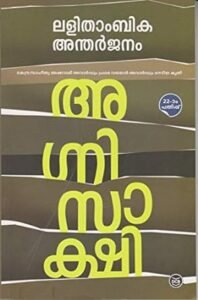
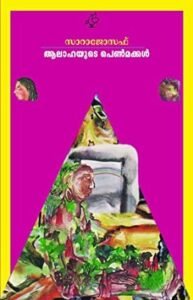
- Beyond Borders: Historical fiction also explores broader historical events with universal themes. Lalithambika Antharjanam’s “Agnisakshi” (The Fire Witness) poignantly portrays the plight of women during the partition of India, while Sarah Joseph’s “Aalahayude Penmakkal” (Daughters of God) sheds light on the experiences of women in the Syrian Christian community during colonial times. These novels not only enrich our understanding of history but also foster empathy and a sense of connection with the past.
III. Venturing Beyond the Classics: Exploring Diverse Genres
B. Exposing Social Realities: Social Commentary
Social commentary is another cornerstone of Malayalam literature. Novels in this genre delve into the social issues and injustices plaguing Kerala and beyond, prompting readers to reflect on societal norms and the need for change.
- Unearthing Oppression: Many novels tackle themes of caste discrimination, poverty, and gender inequality. S.K. Pottekkatt’s “Oru Desathinte Katha” (The Story of a Nation) provides a powerful indictment of the caste system, while Uroob’s “Ummachu” (Mother) poignantly portrays the struggles of a woman trapped in a patriarchal society. These novels raise awareness about social inequalities and inspire readers to advocate for a more just and equitable world.

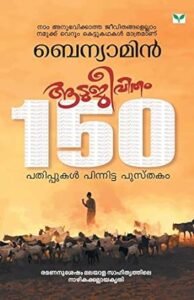
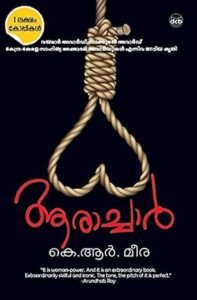
- Challenging Conventions: Social commentary novels also address contemporary issues like environmental degradation and globalization. Benyamin’s “Aadujeevitham” (Autobiography of a Goat) sheds light on the plight of marginalized communities and the exploitation of natural resources, while K.R. Meera’s “Aarachaar” (Funeral) explores the impact of globalization on traditional ways of life. By confronting such issues head-on, these novels encourage critical thinking and social responsibility.
C. The Power of Love: Romance
Romance is a perennial favorite in Malayalam literature, offering readers stories of love, heartbreak, and everything in between. These novels explore the complexities of human relationships across different social classes and cultural backgrounds.
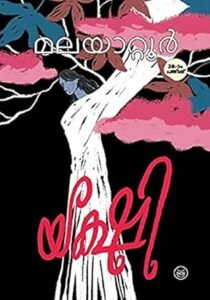
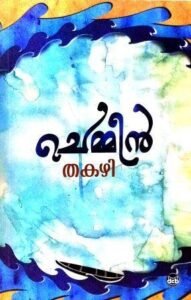
- Enduring Love: Many novels depict love stories that transcend social barriers and defy societal expectations. Malayattoor Ramakrishnan’s “Yakshi” (The Female Spirit) is a timeless tale of forbidden love between a human and a mythical creature, while Thakazhi Sivasankara Pillai’s “Chemmeen” (Prawn) explores the love story of a fisherman and a pearl diver. These novels celebrate the enduring power of love and the human spirit’s ability to overcome obstacles.
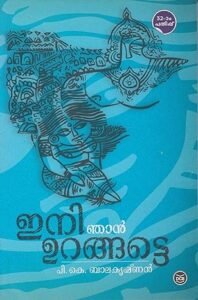
- Modern Love Stories: Contemporary romance novels address the complexities of love in the modern world. Sarah Joseph’s “Aalahayude Penmakkal” (Daughters of God) explores the changing dynamics of love and marriage within the Syrian Christian community, while K. L. Mohanavarma’s “Ini Njan Urangatte” (Now I Am With You) delves into the challenges and joys of relationships in the digital age. These novels provide readers with a relatable and insightful look at love in a contemporary context.
D. A Touch of Mirth: Humor
Malayalam literature doesn’t shy away from laughter. Humor plays a vital role in many novels, offering readers a lighthearted escape while subtly conveying social commentary or life lessons.
- Satire and Wit: Vaikom Muhammad Basheer is considered a master of humorous writing. His novels, like “Pathummayude Aadu” (Goat of Pathumma) and “Mathilukal” (Walls), employ satire and wit to lampoon societal hypocrisy and celebrate the eccentricities of everyday life. Basheer’s characters often find themselves in absurd situations, prompting readers to laugh while simultaneously reflecting on the underlying social realities.

- Whimsical Narratives: Other authors like P.K. Balakrishnan inject whimsical elements and playful storytelling into their works. “Ini Njan Urangatte” (Now I Am With You) by K. L. Mohanavarma also incorporates humor to navigate the complexities of modern relationships. These novels provide a welcome respite from heavier themes and remind us of the importance of finding joy in life’s simple moments.
E. Unveiling the Dark Side: Mystery and Crime
For those seeking suspense and intrigue, Malayalam literature offers a range of captivating mystery and crime novels. These novels often delve into the underbelly of society, exploring themes of corruption, murder, and social injustice.
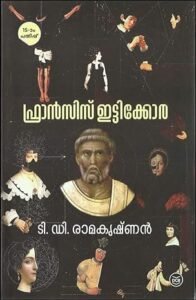
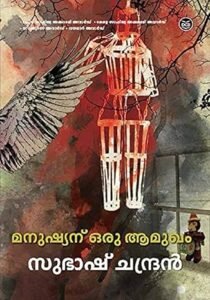
- Unraveling Secrets: T.D. Ramakrishnan’s “FRANCIS ITTYKKORA “ is a classic detective story that follows a sharp-witted police officer as he investigates a murder. Subhash Chandran’s “Manushyanu Oru Aamukham” (Man, a Mask) explores the psychological complexities of a criminal, keeping the reader guessing until the very end. These novels challenge readers to think critically and piece together the clues to uncover the truth.
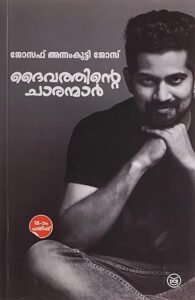
- Social Commentary Through Crime: Some crime novels weave social commentary into their narratives. Joseph Annamkutty’s “Jose Daivathinte Charanmar” (Joseph, God’s Own Man) critiques corruption within the church, while P.F. Mathews’ “Oru Sanketham” (A Conspiracy) exposes the underbelly of politics. These novels not only provide thrilling entertainment but also encourage readers to question authority and fight for justice.
This exploration of various genres just scratches the surface of the rich tapestry woven by Malayalam literature. From historical fiction that transports us to bygone eras to humorous novels that offer a lighthearted escape, there’s a genre for every reader to discover and enjoy.
IV. Modern Literary Landscape: Contemporary Malayalam Novels
The literary landscape of Malayalam is constantly evolving, reflecting the changing social, political, and cultural realities of Kerala. New themes and trends are emerging, pushing the boundaries of storytelling and captivating readers worldwide.
A. Evolving Trends: A Shift in Focus
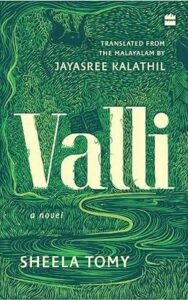
- Fresh Perspectives: Contemporary Malayalam literature delves into a wider range of themes compared to earlier works. Environmentalism has become a prominent theme, with novels like Sheela Tomy’s “VALLI” exploring the consequences of human actions on the environment. The experiences of the diaspora are also being explored, with novels like Bishakh Jyoti’s “Aalahayude Penmakkal” (Daughters of God) capturing the struggles and triumphs of Malayalis living abroad.
- Global Recognition: Malayalam literature is gaining recognition on the global stage. Translations of prominent works are reaching a wider audience, and Malayalam authors are increasingly participating in international literary events. This global exposure not only broadens the reach of Malayalam literature but also fosters cultural exchange and understanding.

Menu Item
Menu Item
Menu Item
Menu Item
B. Contemporary Voices: A New Generation of Storytellers
A new generation of talented authors is shaping the future of Malayalam literature. Here are a few prominent voices worth exploring:
- Benyamin: “Aatujeevitham” (Autobiography of a Goat) is a critically acclaimed novel that narrates the life story of a goat from its perspective, highlighting the plight of marginalized communities and the exploitation of natural resources.
- Sarah Joseph: “Aalahayude Penmakkal” (Daughters of God) explores the changing dynamics of love, marriage, and faith within the Syrian Christian community, offering a nuanced portrayal of women’s experiences.
These are just a few examples of the vibrant literary scene in contemporary Malayalam literature. With its exploration of diverse themes, innovative storytelling techniques, and growing global recognition, Malayalam literature promises a rewarding reading experience for anyone seeking a glimpse into the heart and soul of Kerala.
V. Where to Begin? Resources for Discovering Malayalam Novels
Delving into the world of Malayalam novels can be an enriching experience, but navigating the vast literary landscape can be daunting for newcomers. Here’s a guide to help you find the perfect read:
A. Finding the Perfect Read: Online Resources
- Online Bookstores: Several online bookstores cater specifically to Malayalam literature. Websites like DC Books (https://dcbookstore.com/), Mathrubhumi (https://www.mbibooks.com/), and Poorna Publications offer a wide selection of Malayalam novels, both classic and contemporary.
- Literary Websites: Literary websites like Kerala Sahitya Akademi (https://keralasahityaakademi.org/) and Mathrubhumi (https://english.mathrubhumi.com/) often feature curated lists and reviews of Malayalam novels, helping you discover hidden gems.
- Online Libraries: Some online libraries, like the Open Library (https://openlibrary.org/subjects/place:india), offer ebooks in Malayalam, allowing you to explore the world of Malayalam literature digitally
B. Bridging the Language Barrier: Resources for Non-Malayalam Speakers
The beauty of Malayalam literature shouldn’t be limited by language barriers. Here are some options for non-Malayalam speakers:
- Translated Works: Thankfully, a growing number of prominent Malayalam novels are being translated into English and other languages. Renowned publishers like Penguin Random House India (https://www.penguin.co.in/) and HarperCollins India (https://harpercollins.co.in/) have published English translations of several acclaimed Malayalam novels.
- Learning Resources: If you’re interested in learning basic Malayalam to unlock a wider selection of novels, online courses and apps like Duolingo (https://www.duolingo.com/) and Memrise (https://www.memrise.com/) offer a fun and engaging way to get started.
By utilizing these resources, you can embark on a rewarding journey through the world of Malayalam novels, regardless of your current language proficiency.
VI. Frequently Asked Questions (FAQ)
Here are some commonly asked questions about Malayalam novels, along with answers to guide you further:
Q: What are some good Malayalam novels for beginners?
A: For beginners, novels with simple language and relatable themes are a good starting point. Here are a few suggestions:
- “Ini Njan Urangatte” (Now I Am With You) by K. L. Mohanavarma: A contemporary romance novel with a touch of humor.
- “Mayyazhippuzhayude Theerangalil” (On the Banks of the Mayyazhi River) by M. Mukundan: A coming-of-age story that captures the essence of life in a small Kerala town.
- Select short stories by Vaikom Muhammad Basheer: His humorous and satirical stories offer a glimpse into Malayalam literary style.
Q: Where can I find Malayalam novels with English translations?
A: As mentioned earlier, several online bookstores and publishers offer English translations of Malayalam novels. You can also check websites like Goodreads (https://www.goodreads.com/) and Amazon (https://www.amazon.com/) to find user reviews and recommendations for translated works.
Q: Are there any famous Malayalam authors I should know?
A: Yes! The list is vast, but some of the most celebrated authors include M.T. Vasudevan Nair, Vaikom Muhammad Basheer, O.V. Vijayan, S.K. Pottekkatt, Kamala Suraiyya, Sarah Joseph, and Benyamin.
Q: How can I learn more about Malayalam literature?
A: Numerous resources are available online and offline. Literary websites, online courses, and local libraries can be valuable sources of information. Additionally, attending literary festivals and events focused on Malayalam literature can provide deeper insights and connect you with other enthusiasts.
By exploring these resources and delving into the world of Malayalam novels, you’ll gain a deeper understanding of Kerala’s rich culture, heritage, and the human experience as portrayed through the lens of talented Malayalam authors.
VII. Conclusion: A World Awaits
The world of Malayalam literature beckons, offering a captivating journey through Kerala’s rich tapestry. We’ve explored the legacy of renowned authors like M.T. Vasudevan Nair and Vaikom Muhammad Basheer, whose timeless works delve into social realities and human emotions. We’ve ventured beyond the classics, uncovering a vibrant array of genres – historical fiction that transports you to bygone eras, humorous novels that spark laughter, and crime thrillers that keep you on the edge of your seat.
The landscape of Malayalam literature is constantly evolving, with contemporary voices like Benyamin and Sarah Joseph exploring fresh themes and pushing narrative boundaries. Whether you’re a seasoned bibliophile or just starting your literary exploration, Malayalam novels offer a unique and enriching experience.
So, how do you begin? Utilize the resources provided – online bookstores, literary websites, and even online libraries – to discover novels that resonate with you. If the language barrier seems daunting, explore the growing collection of translated works or consider learning basic Malayalam to unlock a wider selection.
Remember, the true magic of Malayalam literature lies not just in the stories themselves, but in the emotions they evoke, the cultural nuances they reveal, and the window they offer into a different way of life. Take a leap, explore the resources, and embark on a literary adventure. You’ll be surprised, challenged, and ultimately, enriched by the power of storytelling in Malayalam. As you delve deeper, remember to approach each novel with an open mind and a curious spirit. The rewards are waiting to be discovered, one captivating page at a time.